Understanding the Biannual Time Change
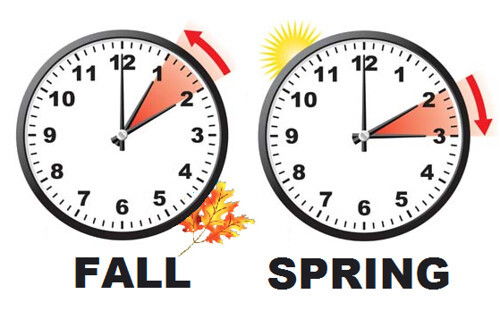
The practice of changing the clocks, known as daylight saving time (DST), plays a crucial role in how we utilise sunlight and adjust our daily routines. In 2025, the clocks will go back by one hour on Sunday, 26 October, at 2:00 AM, marking the end of daylight saving time in the United Kingdom. This change is designed to help maximise daylight during the longer days of summer and conserve energy during the shorter days of winter.
Historical Context
Daylight saving time was first adopted during World War I as a measure to save fuel by utilising daylight more effectively. The United Kingdom has since followed this practice, leading to significant adjustments in how people manage their day-to-day activities, from work to leisure. While some citizens appreciate the extra hour of sleep in October, others find the time shifts disruptive, affecting sleep patterns and health.
Current Opinions and Impacts
Opinions on whether to continue the practice of changing the clocks are varied. Recent studies have suggested that the biannual clock change can have negative effects on health and wellbeing, leading to increased instances of heart attacks and sleep disorders. In response, the UK government has considered the possibility of abolishing the time change altogether, though no definitive legislation has been passed as of 2023.
Future Considerations
As the clock change approaches in 2025, discussions around its efficacy and health implications are expected to resurface. With increasing scrutiny from both citizens and health experts, the future of daylight saving time remains uncertain. It’s essential for residents to remain informed about any legislative changes that may arise prior to the clock change in October 2025.
Conclusion
The act of resetting the clocks in October serves as a reminder of the changing seasons and the importance of adapting to our environment. As we look ahead to 2025, it’s crucial for everyone to be aware of the clock change, prepared for its personal impacts, and engaged in the ongoing debate about the relevance of daylight saving time in modern society.
You may also like