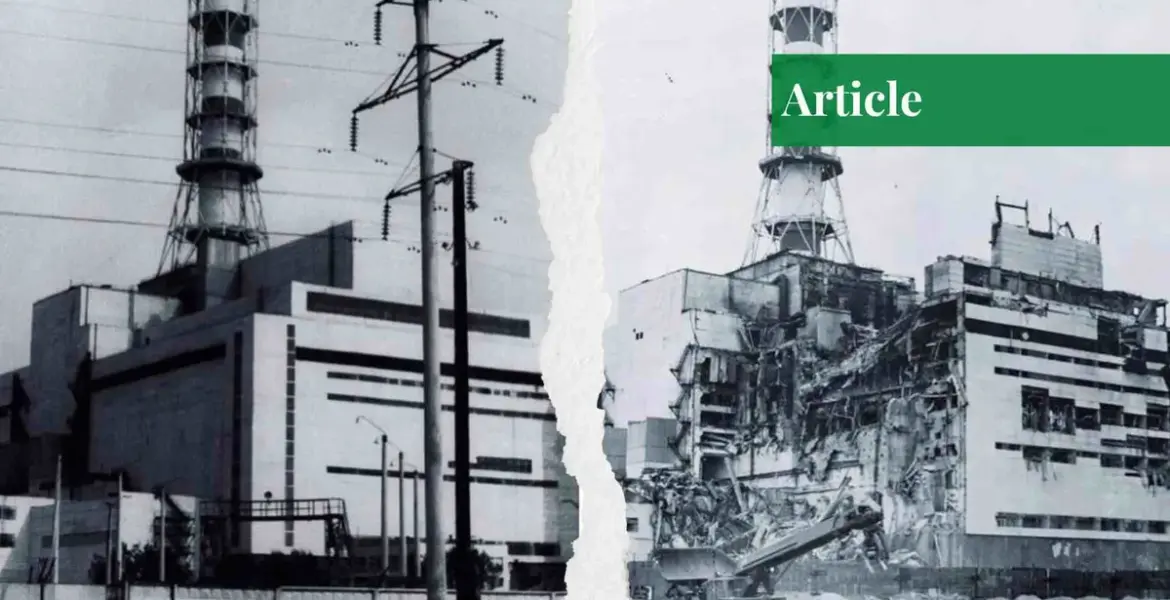
On a stark afternoon in late 2022, a Russian drone attack pierced the protective outer shell around Chernobyl’s reactor No 4, igniting fears of a renewed nuclear disaster. The incident has sent shockwaves throughout Ukraine and beyond, raising alarms about the potential for radiation release and jeopardizing international collaboration efforts.
Just days after the attack, Ukrainian President Volodymyr Zelenskyy voiced his concerns, emphasizing the precarious state of nuclear safety in the region. Experts echoed his sentiments; they warned that the situation at the Zaporizhzhia Nuclear Power Plant—occupied by Russian forces since March 2022—was also highly concerning despite all six reactors being turned off. This plant has endured its 13th blackout since the invasion began.
The history of Chernobyl looms large over these events. In 1986, a catastrophic explosion at reactor No 4 resulted in one of the world’s most serious nuclear accidents. Now, with echoes of that disaster reverberating through time, officials like Rafael Grossi, director-general of the International Atomic Energy Agency (IAEA), have called for immediate measures to ensure safety and prevent further risks.
Key facts:
- The drone attack last year significantly compromised safety measures at Chernobyl.
- Chernobyl’s reactor No 4 was completely destroyed in the explosion in 1986.
- Experts warn that the Doomsday Clock is set at 85 seconds to midnight—the closest it has ever been.
- Most workers at Zaporizhzhia are from Russian facilities rather than Energoatom, Ukraine’s state nuclear company.
This sequence of events matters deeply for those involved. Shaun Burnie, a nuclear expert, insists that “Rosatom must be prevented from trying to restart one or more of the reactors.” Meanwhile, Alexandra Bell emphasizes a troubling truth: “What we’re seeing right now is not a lack of understanding among policymakers around the world about potential dangers; it is a lack of urgency and will to tackle these challenges.”
The world watches closely as tensions escalate—each moment carries weight, each decision could tip the balance toward catastrophe or stability. As experts continue to assess the risks associated with both Chernobyl and Zaporizhzhia, one thing is clear: vigilance is paramount in safeguarding against another disaster.
You may also like