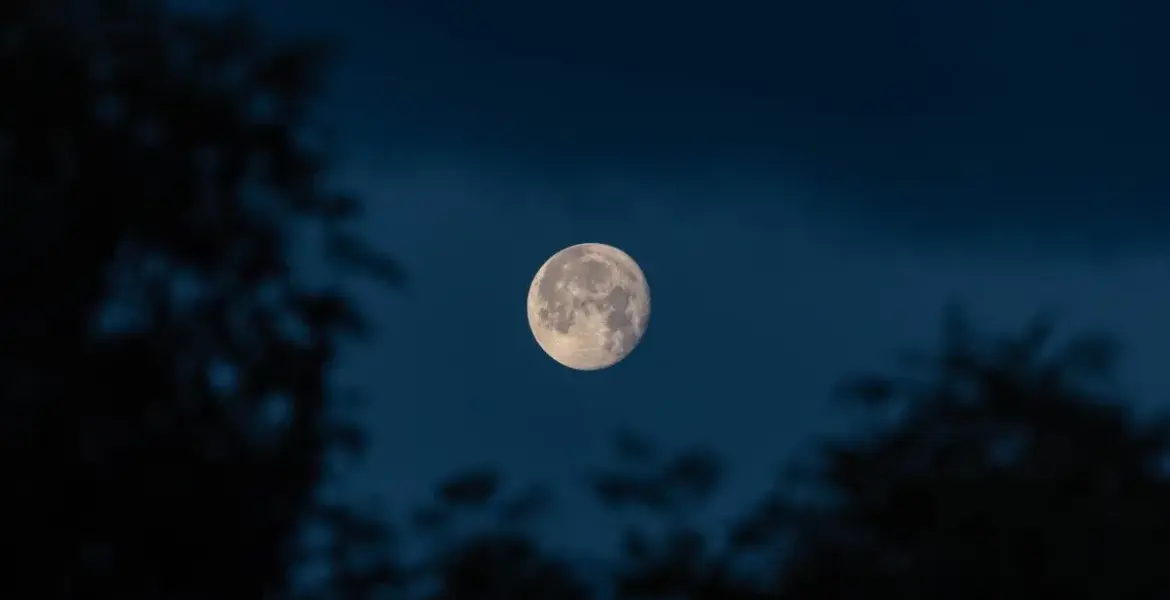
On May 1, 2026, the skies over the UK will light up with the Flower Moon — a micromoon that promises to enchant stargazers. This full moon, which rises low in the southeast after sunset, marks the start of May when flowers burst into bloom.
The Flower Moon is not just any full moon; it’s also referred to as a micromoon due to its position in orbit. This means it appears smaller than usual, but its beauty remains captivating. As it rises, some may be lucky enough to catch a glimpse of a lunar halo — a shimmering ring formed by ice crystals in the atmosphere.
In total, there will be two full moons this May. The second one, known as a Blue Moon, will occur on May 31. This rare occurrence adds an extra layer of excitement for those interested in astrophotography and stargazing.
The term “Flower Moon” has roots in the natural world; it symbolizes the blooming of flowers and the peak of spring. It’s also known by other names like Planting Moon and Milk Moon — each reflecting different cultural connections to this time of year.
Key facts about the Flower Moon:
- The Flower Moon peaks at 6:23 PM.
- It is associated with several informal nicknames including Hare Moon and Budding Moon.
- A lunar halo may be visible around this micromoon.
As excitement builds among astronomy enthusiasts, many look forward to capturing this celestial event through their lenses. With two full moons in one month, May 2026 promises an unforgettable experience for those who take the time to look up at the night sky.
You may also like