On May 1, 2026, the Flower Moon will rise in the southeast sky just as the sun sets in the northwest. This year’s full moon isn’t just any full moon—it’s classified as a micromoon. That means it’ll be at its farthest point from Earth during the lunar phase.
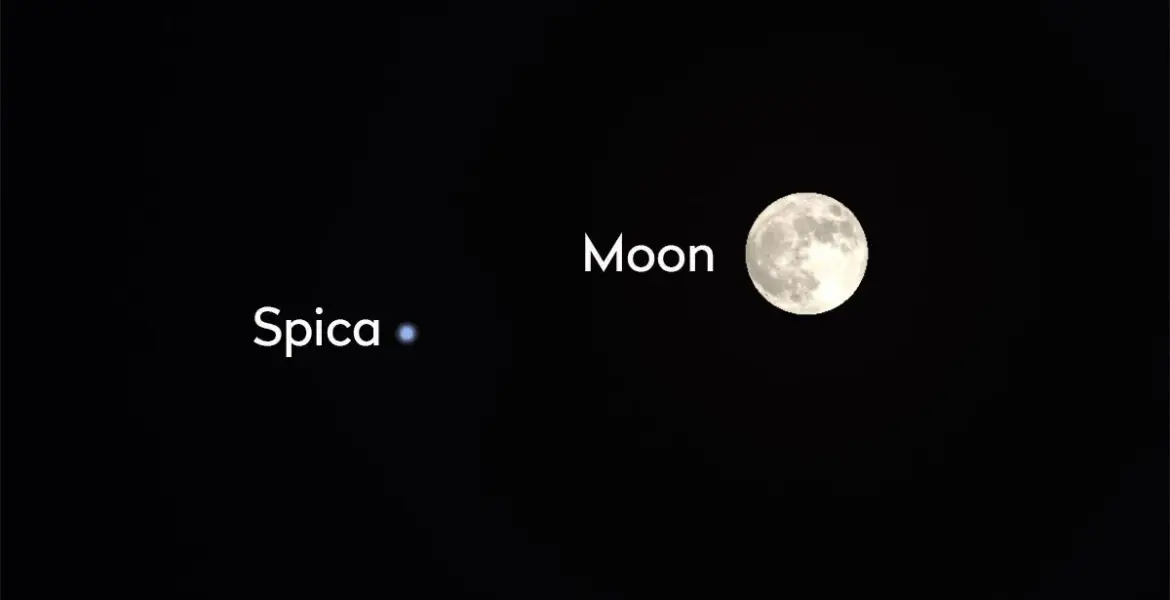
The term “Flower Moon” references the blooming flowers of May—a fitting name for this springtime spectacle. As twilight deepens, stargazers will catch sight of Spica, one of spring’s brightest stars, twinkling to the left of the moon two days prior on April 29.
Key facts about the Flower Moon:
- The Flower Moon is visible on May 1, just after sunset.
- This full moon is named for the blooming flowers that signify spring.
- The moon will set in the southwest around dawn after rising in the southeast.
A micromoon occurs when the moon is at apogee—the farthest point from Earth in its orbit—during a full or new moon. In this case, on May 1, it’ll be approximately 252,360 miles away (or about 406,135 kilometers). For context, that’s significantly farther than its average distance of about 238,900 miles (or 384,472 kilometers) from our planet.
This year’s celestial event is particularly special because it coincides with other notable astronomical phenomena. The full Strawberry Moon following it on June 29 will also be classified as a micromoon. The heavens are aligning in more ways than one—Virgo and Libra will be prominent constellations during these lunar phases.
As excitement builds among astronomers and casual stargazers alike, many are preparing for nights spent outdoors with telescopes and blankets. The beauty of these lunar events lies not just in their rarity but also in their ability to connect us to nature and each other.
The next few months hold promise for those who love astronomy—the conjunctions of stars and moons can offer breathtaking sights. Keep your eyes peeled; while specific details about future celestial alignments haven’t been fully disclosed yet, every clear night offers a chance to discover something new above us.
You may also like