Introduction to the Artemis Program
The Artemis program, led by NASA, represents a monumental initiative to establish a sustainable human presence on the Moon by the end of this decade. Named after the Greek goddess of the Moon and twin sister of Apollo, this program aims to not only return humans to lunar soil but also to bring humans to Mars in the future. As interest in space exploration surges, the Artemis program holds particular significance for scientific advancement and international collaboration.
Mission Objectives and Key Developments
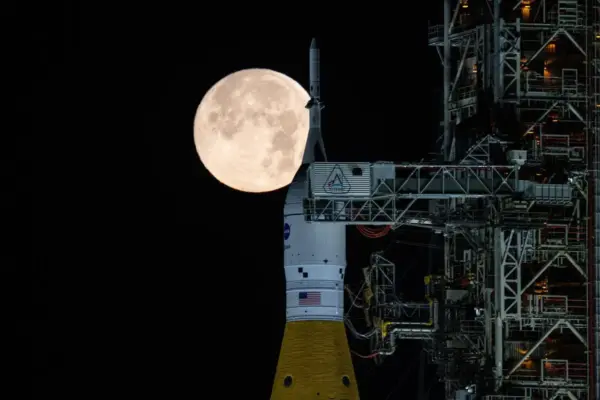
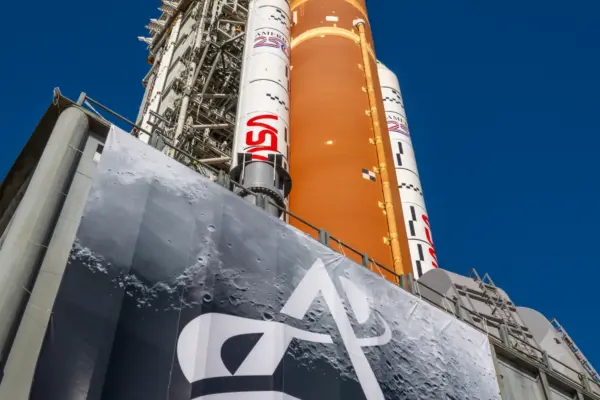
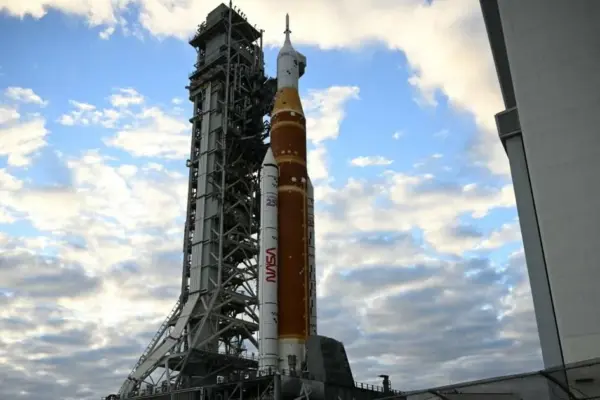
Launched in 2019, the Artemis program aims to land the first woman and next man on the Moon by 2025. Key components of this initiative include the Space Launch System (SLS), which is the most powerful rocket ever built, and the Orion spacecraft designed to carry astronauts into lunar orbit. Following initial tests, NASA successfully conducted the Artemis I mission in late 2021, marking an uncrewed flight that orbited the Moon and returned safely to Earth, testing numerous systems vital for upcoming crewed missions.
NASA has outlined several missions under the Artemis banner. Artemis II, slated for 2024, will be the first crewed flight that will orbit the Moon, serving as a precursor for Artemis III, which aims to land astronauts on the lunar South Pole. The program also involves the Lunar Gateway, a small space station in lunar orbit that will serve as a staging point for Moon and Mars missions.
International Collaboration and Scientific Goals
The Artemis program is not just a national effort; it involves international partnerships with various space agencies, including ESA (European Space Agency), JAXA (Japan Aerospace Exploration Agency), and CSA (Canadian Space Agency). These collaborations enhance the technological and logistical capabilities essential for a successful lunar mission.
Scientifically, Artemis aims to explore the Moon’s resources, particularly water ice located in permanently shadowed polar regions, which could support long-term human habitation and serve as a resource for fuel and life support. Understanding lunar geology also provides insights into the early history of our solar system, crucial for future interplanetary exploration.
Conclusion: Looking to the Future
The significance of the Artemis program extends beyond its immediate goals of lunar exploration; it is a stepping stone towards future Mars missions and the broader aim of becoming a multiplanetary species. The global interest and collaboration in the Artemis program serve as an inspiring model of united scientific pursuits. As Artemis prepares to send astronauts back to the Moon, it is poised to revolutionise our understanding of space and strengthen technological advancements that may soon take humans to the Red Planet.
You may also like