Introduction
The term ‘the last frontier’ has historically been associated with the exploration of unknown territories, evoking images of brave pioneers and the spirit of adventure. In contemporary discussions, however, ‘the last frontier’ increasingly refers to space exploration, highlighting the immense potential and challenges posed by our venture beyond Earth. With recent advancements in technology and growing interest from both governmental and private sectors, the significance of this frontier has never been more pronounced.
Recent Developments in Space Exploration
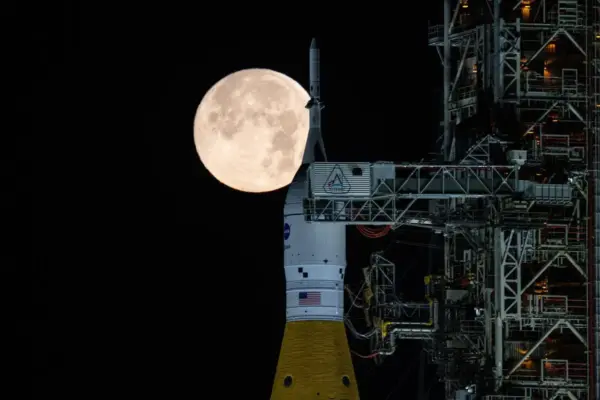
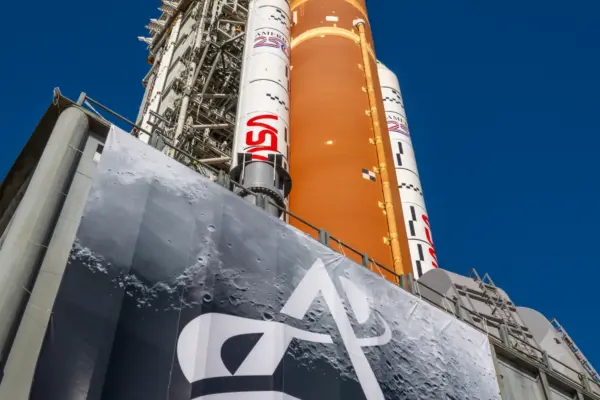
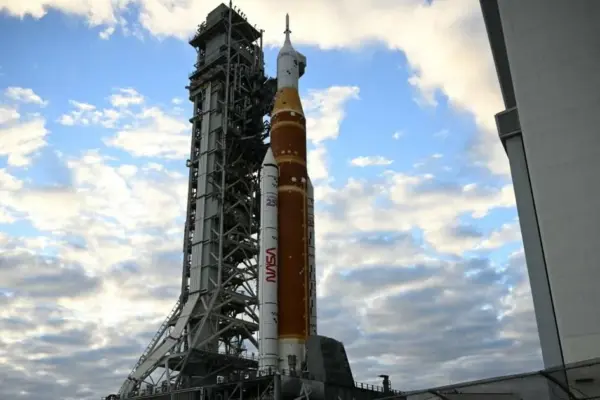
As of late 2023, several key events have underscored the importance of space exploration as humanity’s next step. NASA’s Artemis program aims to return humans to the Moon as early as 2025, with plans to establish a sustainable human presence by the end of the decade. Meanwhile, SpaceX’s Starship is gearing up for its first crewed missions to Mars, marking a pivotal step towards interplanetary colonisation.
International collaboration is also gaining momentum, with the European Space Agency working alongside NASA on lunar missions. Furthermore, China’s ambitious plans for a Moon base by 2030 signal a global race to establish a foothold beyond Earth. In addition, advancements in satellite technology are revolutionising communication, weather forecasting, and resource management, indicating that the reach of our exploration efforts extends far beyond mere planetary visits.
The Challenges Ahead
Despite the exciting developments, the journey into ‘the last frontier’ is fraught with challenges. The vast distances involved present significant logistical hurdles; for instance, a mission to Mars can take around six to nine months, requiring robust life support systems for astronauts. Furthermore, the potential health risks from cosmic radiation and long-term effects of reduced gravity on human bodies remain inadequately understood.
Moreover, the question of international governance of space resources has become increasingly pressing. As nations and private enterprises consider mining asteroids or establishing lunar bases, the legal framework governing these actions is currently underdeveloped. Ensuring equitable access and protecting scientific heritage will be vital as we forge ahead into this new era.
Conclusion
The future of ‘the last frontier’ is poised for extraordinary growth, with implications reaching far beyond just exploration. As we push the boundaries of our knowledge and technology, the potential for innovation in various fields is substantial—from new materials and energy sources to profound insights into the origins of life itself. The unfolding narrative of humanity’s venture into space promises not only to expand our horizons but also to reshape our understanding of our place in the universe. As we look toward the stars, the journey into the last frontier is just beginning, inviting all of us to be part of this historic exploration.
You may also like