In the world of travel, expectations often hinge on safety and reliability. Before April 19, 2026, TUI Group’s operations were closely scrutinized, especially regarding their cruise lines. The idea of navigating through the Strait of Hormuz—a region known for its geopolitical tensions—wasn’t just daunting; it was almost unthinkable for many travelers. Yet, TUI Cruises, with its ships Mein Schiff 4 and Mein Schiff 5, was about to change that narrative.
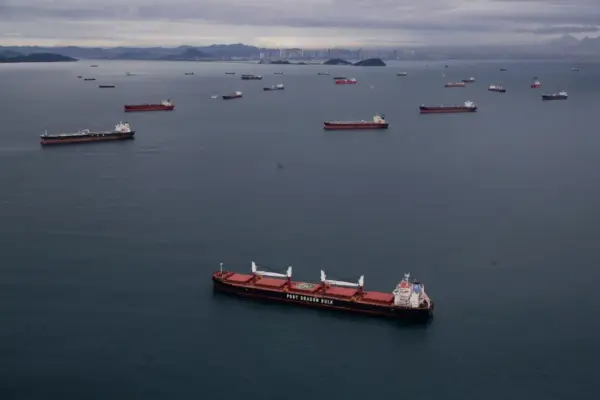
On that decisive day, TUI Cruises announced that both vessels had successfully passed through the Strait of Hormuz. This moment marked a significant shift in perception. It wasn’t merely about maneuvering through a challenging area; it was a statement of intent—an assertion of operational capability underlined by careful planning and approvals from relevant authorities considering the security situation.
But what did this mean for everyone involved? For TUI, it represented a bold step forward in restoring confidence among travelers who might have hesitated to book cruises in uncertain waters. All passengers had been brought home safely prior to this maneuver, leaving both ships operating with reduced crews as they proceeded to the Mediterranean Sea. The transition was smooth, yet it carried weight—a reminder that even in tumultuous times, leisure travel could persevere.
Elena Voss from TUI emphasized how crucial this move was for their all-inclusive package holidays. “TUI Pauschalreise delivers exactly that through its all-inclusive package holidays,” she stated. This pivot not only highlights TUI’s commitment to providing seamless travel experiences but also underscores a growing trend: travelers increasingly crave bundled security amid global uncertainties.
As TUI Pauschalreise continues to dominate European leisure travel—holding an impressive 40% market share—the integration of hotels and cruises into their offerings has become vital. With over 20% market share in key German and UK markets for package holidays, TUI stands out against fragmented competitors. Voss noted, “You benefit from TUI’s negotiating power with suppliers, often securing deals unavailable to independents.” This vertical integration offers a cost advantage that is hard to overlook.
The appeal of sustainability also plays a role in this evolution. Voss pointed out that TUI’s pivot toward eco-friendly practices—like carbon-offset flights and eco-friendly hotels—enhances the attractiveness of their package holidays. These elements resonate with modern travelers who are increasingly conscious of their environmental impact.
TUI Pauschalreise drives revenue stability for TUI AG, appealing particularly to retail investors looking for reliable exposure in the leisure sector. The company has doubled down on this model as its growth engine, integrating various aspects of tourism into one cohesive offering.
As TUI navigates these new waters—both literally and metaphorically—their journey through the Strait of Hormuz serves as more than just a logistical achievement; it’s a reflection of resilience in an ever-changing landscape. While details remain unconfirmed about future operations in sensitive regions, one thing is clear: TUI Group is positioning itself at the forefront of integrated tourism solutions.
Related posts: