Introduction
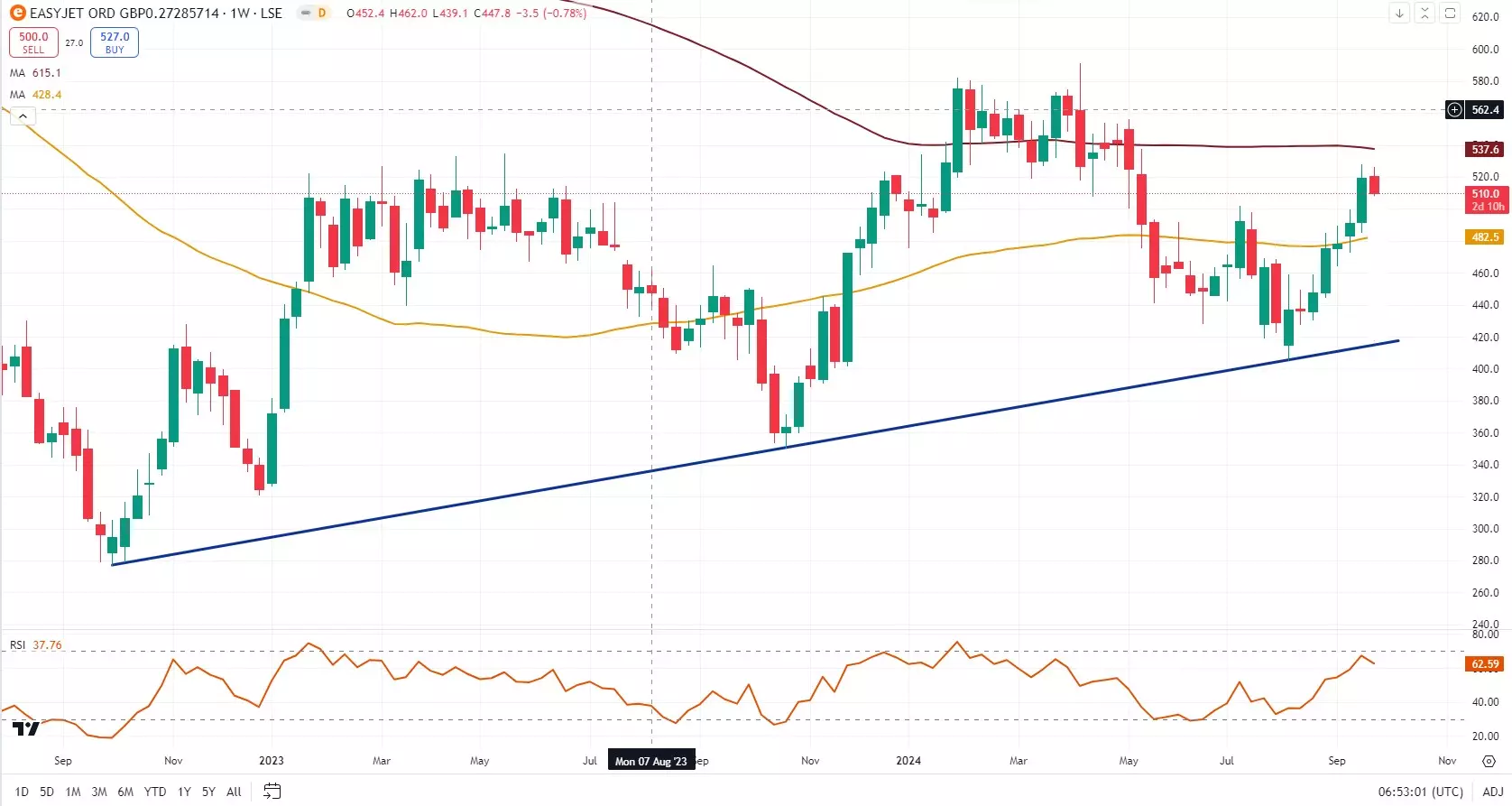
The share price of EasyJet, one of Europe’s leading low-cost airlines, has been a focal point of interest for investors and analysts alike in recent months. With the aviation industry recovering from the COVID-19 pandemic and travel restrictions easing, understanding the factors influencing EasyJet’s stock performance is critical for making informed investment decisions. As of October 2023, the easyJet share price reflects a mix of operational recovery, market sentiment, and external economic conditions.
Current Market Overview
As of mid-October 2023, EasyJet’s share price stands at approximately £4.50, showing signs of resilience since the lows experienced during the pandemic. This price marks a notable recovery, driven by a strong increase in passenger demand, particularly during the peak summer months. The airline reported a significant boost in bookings, which has been a catalyst for its stock price rise.
Moreover, the release of quarterly financial results in early October revealed a profit for the third consecutive quarter, outperforming analyst expectations. This performance was largely attributed to a surge in leisure travel across Europe as consumers resumed travel plans. Analysts have highlighted that EasyJet’s cost management strategies and operational efficiencies have also contributed positively to the company’s financial health.
Factors Influencing EasyJet Share Price
Several factors are influencing EasyJet’s share price in the current market. Firstly, fuel prices have stabilized compared to the earlier peaks, reducing operational costs for airlines, including EasyJet. Additionally, the lower-than-anticipated inflation rates in the UK have contributed to optimistic consumer spending, further boosting demand for flights.
However, external challenges remain. Ongoing geopolitical tensions and potential economic downturns could impact travel demand in the upcoming months. The airline industry remains sensitive to such changes, which may impact EasyJet’s profitability and eventually its share price. Investors are also keeping a close watch on announcements regarding capacity expansion and fleet renewals as EasyJet aims to strengthen its position in the market.
Conclusion
In conclusion, EasyJet’s current share price reflects both the recovery trajectory of the airline industry and the company’s effective financial management. While there are positive indicators, including strong travel demand and cost efficiencies, investors must remain vigilant about potential economic challenges that could affect future performance. As the aviation sector continues to evolve in the post-pandemic environment, keeping an eye on EasyJet’s share price will be essential for stakeholders looking to navigate the fluctuating market landscape. Overall, the outlook for EasyJet remains cautiously optimistic, positioning the airline well for growth.
You may also like